Blog / Wyatt Johnson Ford Service

Signs You Need Brake Service This Winter

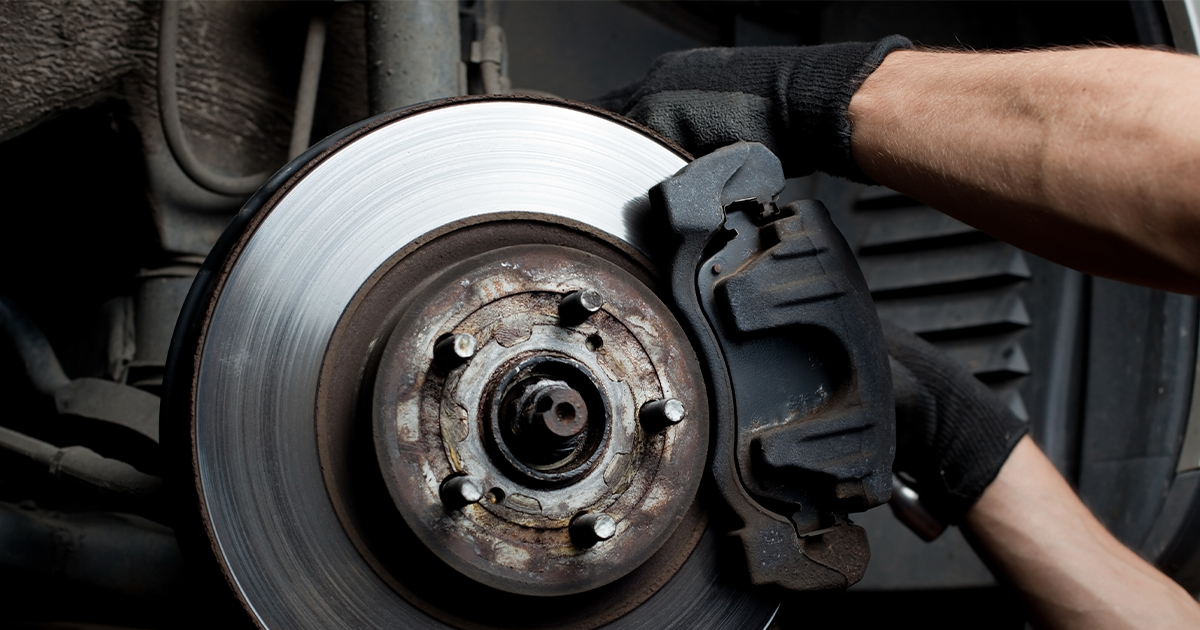
Close-up view of a service technician's hands performing maintenance on a vehicle's brakes

Winter weather brings snow, ice, and freezing temperatures, conditions that make your braking system more important than ever. Slippery roads increase stopping distances, and cold temperatures can worsen existing brake issues. That’s why many drivers begin searching for Ford brake service near me as soon as winter approaches. If you want to stay ahead of seasonal hazards, it’s a great time to explore current offers through the service and parts specials page before scheduling your next appointment. 

Key Points

  • Winter conditions put extra strain on your braking system, making it essential to watch for early warning signs like noises, vibrations, pulling, or reduced stopping power before icy roads make these issues more dangerous.
  • Regular inspections are key to safety, with experts recommending brake checks every six months to catch worn pads, low fluid, or rotor problems—issues that cold weather can quickly worsen.
  • Recognizing common signs of brake wear and replacing pads when needed helps maintain strong braking performance, especially in areas with fluctuating winter conditions, ensuring your vehicle stays safe and responsive all season long.

Why Winter Is Hard on Your Brakes

Cold weather affects your brakes in several ways. Moisture can freeze brake components, road salt accelerates corrosion, and low temperatures can stiffen brake fluid and rubber seals. These factors make it essential to pay attention to early warning signs before they turn into costly repairs. Winter is also when drivers rely on their brakes the most, especially during sudden stops or when navigating icy intersections.

How Do I Know If My Brakes Need Service?

The answer starts with listening and feeling for changes in your vehicle’s braking behavior. If you hear squealing, grinding, or scraping noises when you press the brake pedal, your brake pads may be worn down. A soft or spongy pedal can indicate air in the brake lines or low brake fluid. If your vehicle pulls to one side when braking, uneven pad wear or a sticking caliper may be to blame. Any of these symptoms should be checked promptly, especially before winter storms arrive. 

How Often Should Brakes Be Inspected?

Most experts recommend a brake inspection every six months or at least once a year. Winter is an ideal time to schedule one because cold weather can worsen minor issues. During an inspection, a technician will check pad thickness, rotor condition, brake fluid levels, and the overall health of your braking system. Staying proactive helps prevent unexpected failures when road conditions are at their worst.

What Are Common Signs of Brake Wear?

Recognizing the warning signs can help you catch problems early. Some of the most noticeable symptoms include:

  • High‑pitched squealing when braking
  • Grinding or metal‑on‑metal noises
  • Vibrations in the brake pedal or steering wheel
  • Increased stopping distance
  • A brake warning light on the dashboard

If you experience any of these issues, it’s time to schedule a professional inspection. Winter driving demands maximum stopping power, and ignoring these signs can put you at risk on icy roads.

Brake Pad Replacement and Winter Safety

Drivers in Tennessee often face fluctuating winter conditions, making brake pad replacement in Nashville, TN a common seasonal service. Brake pads naturally wear down over time, but winter driving—especially in stop‑and‑go traffic or on salted roads—can accelerate that wear. Replacing your pads before they become too thin helps maintain strong, consistent braking performance. Fresh pads also protect your rotors from damage, saving you money in the long run.

Schedule Brake Service Before Winter Hits

If you’re noticing unusual noises, reduced braking power, or dashboard warnings, now is the time to act. Our certified technicians at Wyatt Johnson Ford can diagnose brake issues quickly and accurately, ensuring your vehicle is ready for winter weather. You can book an appointment through the service appointment page or learn more about available services by visiting the service department.

Winter roads demand confidence, and that starts with a braking system you can trust. Whether you need an inspection, repairs, or expert advice, the team is here to help. For questions or assistance, reach out through the contact page and make sure your vehicle is ready for the season ahead. 
Posted in:

Related Posts

A service technician holding a new cabin air filter before installing it in a new vehicle.

Why Cabin Air Filter Replacement Matters

When you think about vehicle maintenance, oil changes and tire rotations probably come to mind first. But there’s another component that plays a major role in your comfort and health: the cabin air filter. If you’ve been searching for cabin air filter replacement near you, or wondering whether your Ford needs attention, you’re already ahead of the curve. If you’re due for service, you can easily schedule an appointment through our Ford service center to keep your vehicle’s air clean and fresh. more Key Points Your cabin air filter protects your health and comfort by trapping dust, pollen, mold, and other contaminants before they enter your vehicle, helping your HVAC system deliver cleaner, fresher air. Replacing the filter regularly, typically every 15,000 to 30,000 miles, is essential, especially if you notice weak airflow, musty odors, foggy windows, louder HVAC operation, or increased allergy symptoms. A clean cabin air filter supports efficient HVAC performance, reducing strain on the system, preventing odors, improving visibility, and ensuring a healthier, more comfortable driving experience year‑round. What Does a Cabin Air Filter Do? The answer is simple but important. Your cabin air filter cleans the air that enters your vehicle through the heating, ventilation, and air conditioning (HVAC) system. It traps dust, pollen, mold spores, dirt, and even some exhaust fumes, keeping the air inside your cabin healthier and more comfortable. A clean filter also helps your HVAC system work efficiently. When the filter becomes clogged, airflow is restricted, forcing the system to work harder to heat or cool your vehicle. This can lead to reduced performance and unnecessary strain on components. How Often Should I Replace My Cabin Air Filter? Most Ford vehicles need a replacement every 15,000 to 30,000 miles, but your environment and driving habits play a big role. If you frequently drive in dusty areas, park under trees, or live in a region with high pollen counts, you may need to replace it more often. If you’re unsure, our technicians can check your filter during routine maintenance. You can also explore current service specials to save on your next visit by checking out our service and parts offers. Signs Your Cabin Air Filter Needs Replacing Knowing the Signs your cabin air filter needs replacing can help you stay ahead of potential issues. Common symptoms include: Weak airflow from your vents A musty or dusty smell inside the cabin Foggy windows that take longer to clear Increased allergy symptoms while driving Louder‑than‑usual HVAC operation If you notice any of these signs, it’s time to schedule Ford cabin air filter service. A quick inspection and replacement can make a big difference in your comfort and air quality. Why Cabin Air Filter Replacement Matters Replacing your cabin air filter isn’t just about comfort; it’s about protecting your health and your vehicle. A clean filter: Improves air quality inside your cabin Helps your HVAC system run efficiently Reduces allergens and irritants Prevents unpleasant odors Supports better visibility by reducing window fogging During allergy season or in areas with heavy pollution, your cabin air filter works overtime. Keeping it fresh ensures you and your passengers breathe cleaner air every time you drive. Affordable Maintenance Options If you’re concerned about the cost, you’re not alone. We offer flexible service financing options to help you stay on top of essential maintenance without stress. Routine services like cabin air filter replacement are small investments that pay off in comfort, efficiency, and long‑term vehicle health. Breathe Easier with a Fresh Cabin Air Filter Your cabin air filter plays a bigger role than you might think, and replacing it regularly keeps your Ford running smoothly and your cabin air clean. When you’re ready for your next service, explore our latest service specials and book your visit through our convenient online scheduler. With the right maintenance, you can enjoy a cleaner, healthier driving experience every day.

2019 Ford Explorer for sale near me | Wyatt Jonson Ford

The Ford Explorer was first manufactured as an SUV in 1991. Prior to that time, the Explorer name was used for a trim package for Ford's pickup trucks. When the Explorer was originally manufactured it was offered as either a two-door or four-door model. The Explorer became exclusively a four-door SUV in 2002. The 2019 model is included in the fifth generation of the Explorer SUV. The 2020 model year is slated to be the beginning of the sixth generation of Explorers. 2019 Ford Explorer Trims The 2019 Ford Explorer offers consumers five trim levels from which to choose. All trim levels share a set of standard features and have features that make them unique. The trims are the Base, the XLT, the Limited, the Sport and the Platinum. 2019 Ford Explorer Standard Features Up to seven people can ride in all models of the 2019 Ford Explorer. When cargo space is needed, the seats fold to provide approximately 81.7 cubic feet of cargo space. In order to help drivers see and be seen, the Explorer is equipped with LED headlights that activate automatically and with LED tail lights. 2019 Ford Explorer The Base The Base is the lowest level of the five trims. The base model has a 3.5 liter Ti-VCT V6 engine, but there is also a 2.3 liter EcoBoost 1-4 engine available. Standard handling features on the Base model are trailer sway control and independent suspension systems for the front and rear, Electronic Power Assist Steering and Hill Start Assist. Hill Descent Control, Intelligent 4WD and a Terrain Management System are optional handling features on the base model. 2019 Ford Explorer The XLT The XLT offers the same 3.5 liter Ti-VCT engine as the Base trim. In addition to standard features, the XLT offers options such as automatic high beams, heated side mirrors with LED turn signal indicators and rain-sensing windshield wipers. Optional convenience features on the XLT include a Lane Departure Warning with Lane Keep Assist and Adaptive Cruise Control, Blind Spot Information System with Cross-Traffic Alert and Collision Warning with brake support. 2019 Ford Explorer The Limited The Limited comes standard with a 2.3 liter EcoBoost 1-4 engine with an option to be equipped with the 3.5 liter Ti-VCT V6 engine. A SiriusXM Satellite Radio and a voice-activated navigation system is standard on the Limited. The Limited also has available a dual-zone electronic automatic temperature control feature that is part of the air conditioning system. 2019 Ford Explorer The Sport The Explorer Sport has a 3.5 liter EcoBoost engine. The Sport is equipped with handling features such as Electronic Power Assist Steering, Hill Start Assist, a Terrain Management System and Intelligent 4WD among others. 2019 Ford Explorer The Platinum The Platinum package features upgrades like Nirvana leather seats. The Ford Safe and Smart combination of driver convenience features is standard on the Platinum. The Platinum features the same engine as the Sport. For additional information about the 2019 Explorer, contact the professional staff at Wyatt Johnson Ford.

A winter image of tires in a snowy setting.

How Winter Weather Affects Your Ford's Tires

As temperatures drop and winter settles in, your Ford’s tires face a unique set of challenges that can impact performance, safety, and longevity. Whether you drive a Ford Escape, Explorer, or rely on rugged Ford F-150 tires, understanding how cold weather affects your vehicle’s grip and pressure is essential for staying safe on the road. Before the season gets into full swing, consider scheduling a service appointment to ensure your tires are winter-ready. more Key Points Cold weather lowers tire pressure: For every 10°F drop, pressure decreases about 1 PSI, which can reduce fuel efficiency, increase tread wear, and compromise handling if not checked regularly. Traction and safety are affected: Standard tires harden in freezing temperatures, leading to reduced grip, longer stopping distances, and less control on icy or snowy roads—making winter tires a smart choice in colder climates. Winter tire service and support: Wyatt Johnson Ford offers seasonal specials on tire maintenance and carries both winter and all-season options, with certified technicians ready to help drivers prepare for safe winter travel. Cold Weather and Tire Pressure One of the most common questions we hear is: Why does cold weather cause my tire pressure to drop? The answer lies in basic physics. As temperatures fall, the air inside your tires contracts, leading to lower pressure readings. For every 10°F drop in temperature, tire pressure can decrease by about 1 PSI. Driving with underinflated tires can reduce fuel efficiency, increase tread wear, and compromise handling. That’s why it’s important to check your tire pressure regularly during the winter months and inflate them to the recommended levels. Traction and Safety in Winter Conditions How does cold weather affect tire traction on my Ford vehicle? Cold temperatures can harden rubber compounds in standard tires, reducing their ability to grip icy or snowy roads. This loss of traction can lead to longer stopping distances and decreased control, especially during sudden maneuvers. If you frequently drive in snowy or icy conditions, switching to winter tires may be a smart move. Should I Switch to Winter Tires? If you live in an area where temperatures consistently fall below 45°F and snow or ice is common, winter tires offer significant advantages. They’re designed with softer rubber compounds and deeper tread patterns that maintain flexibility and grip in cold conditions. Compared to all-season tires, winter tires provide better braking, cornering, and overall control in winter weather. When comparing winter tires vs all season, the choice depends on your driving environment. All-season tires are versatile but may not perform as well in extreme cold or heavy snow. Save on Tire Service This Winter Maintaining your tires doesn’t have to break the bank. Wyatt Johnson Ford offers seasonal service and parts specials to help you save on tire rotations, alignments, pressure checks, and replacements. We also carry a wide selection of winter and all-season tires to fit your Ford model. Our certified technicians can help you choose the right set based on your driving habits and local climate. We’re Here to Help Whether you need a tire inspection, replacement, or advice on winter driving, our team at Wyatt Johnson Ford is here to help. We proudly serve drivers throughout Middle Tennessee with expert service and personalized care. Visit our auto service center in Nashville or contact us with any questions about your Ford’s winter readiness. Don’t wait until the first snowfall to prepare your tires. Schedule your service appointment today and drive confidently through the season.