

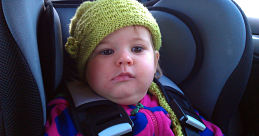
 Carsickness is an ailment that results when the brain gets mixed signals from the eyes and ears. The inner ear can detect that the car is in motion while the eyes fixate on the immediate objects around. While people of all ages can suffer from carsickness, it’s particularly bad among small children. It’s difficult to offer ideas on how to curb the sickness, especially when you’re focused on driving. Instead, you have a screaming child that’s just minutes or seconds away from vomiting. If this ever happens to you, follow these tips to help alleviate some of the side effects.
Watch for the Signs
One of the best things you can do to get rid of carsickness is to watch out for the warning signs. This is particularly true of children that haven’t yet developed their speech. When they look sweaty, pale, or start to cry, it could mean that they’re starting to get carsick. If that’s the case, the best plan is often to pull over and get your kid out of the vehicle. If possible, lay them down and put a cold, wet rag in their forehead. If that’s not an option, roll down the window and let in some fresh air.
Look at a Single Spot
If your child has developed the ability to understand language, you can often alleviate their sickness by having them look at a single spot on the horizon. When your child focuses on just one spot, it gets rid of the disruption between the inner ear and the eyes, often getting rid of the ailment.
Choose the Middle Seat
Due to limited visibility and feeling extra movement, most people and babies get carsickness with more frequency in the backseat than anywhere else. Obviously, you can’t move them into the front seat, but if you have second and third-row seating, always put your child in the second-row. This makes for a smoother ride than in the rear, and often can make a huge difference in whether or not carsickness strikes.
Distractions
Children that have suffered from carsickness in the past are much more likely to feel the effects each time they get in the car. While this could be physical in nature, many times this is entirely mental. Just one bad bout of carsickness can leave a lasting impression, and rarely can you convince your child otherwise.
That’s when distractions come into play. Certain toys may allow them to concentrate on something other than nausea, but be careful not to give toys or books that require a ton of focus. Instead, opt for a sing-along, a little conversation, or some snacks to keep your child distracted and entertained.
Naptime Schedule
There’s no better substitute to get your child to sleep than a car ride. However, planning your trip during scheduled naptimes makes all the difference. Whether it’s a short trip or a sizeable one, the longer your child is asleep, the more you can minimize carsickness.
Carsickness is almost guaranteed to happen from time to time, especially on long trips, but by using these tips, you can avoid any potentially nasty situations.
This photo, “Car seats are functional but not actually fun,” by Mark Skipper used under CC BY 2.o. “Car seats are functional but not actually fun” is licensed under CC BY 2.o by Wyatt Johnson Ford.
Connect with us


Recent Blog Entries
Categories
Although every reasonable effort has been made to ensure the accuracy of the information contained on this site, absolute accuracy cannot be guaranteed. This site, and all information and materials appearing on it, are presented to the user "as is" without warranty of any kind, either express or implied. All vehicles are subject to prior sale. Price does not include applicable tax, title, and license charges. ‡Vehicles shown at different locations are not currently in our inventory (Not in Stock) but can be made available to you at our location within a reasonable date from the time of your request, not to exceed one week.